The Surprising Reaction Inside Iran to Its War Victory
The Intercept
theintercept.com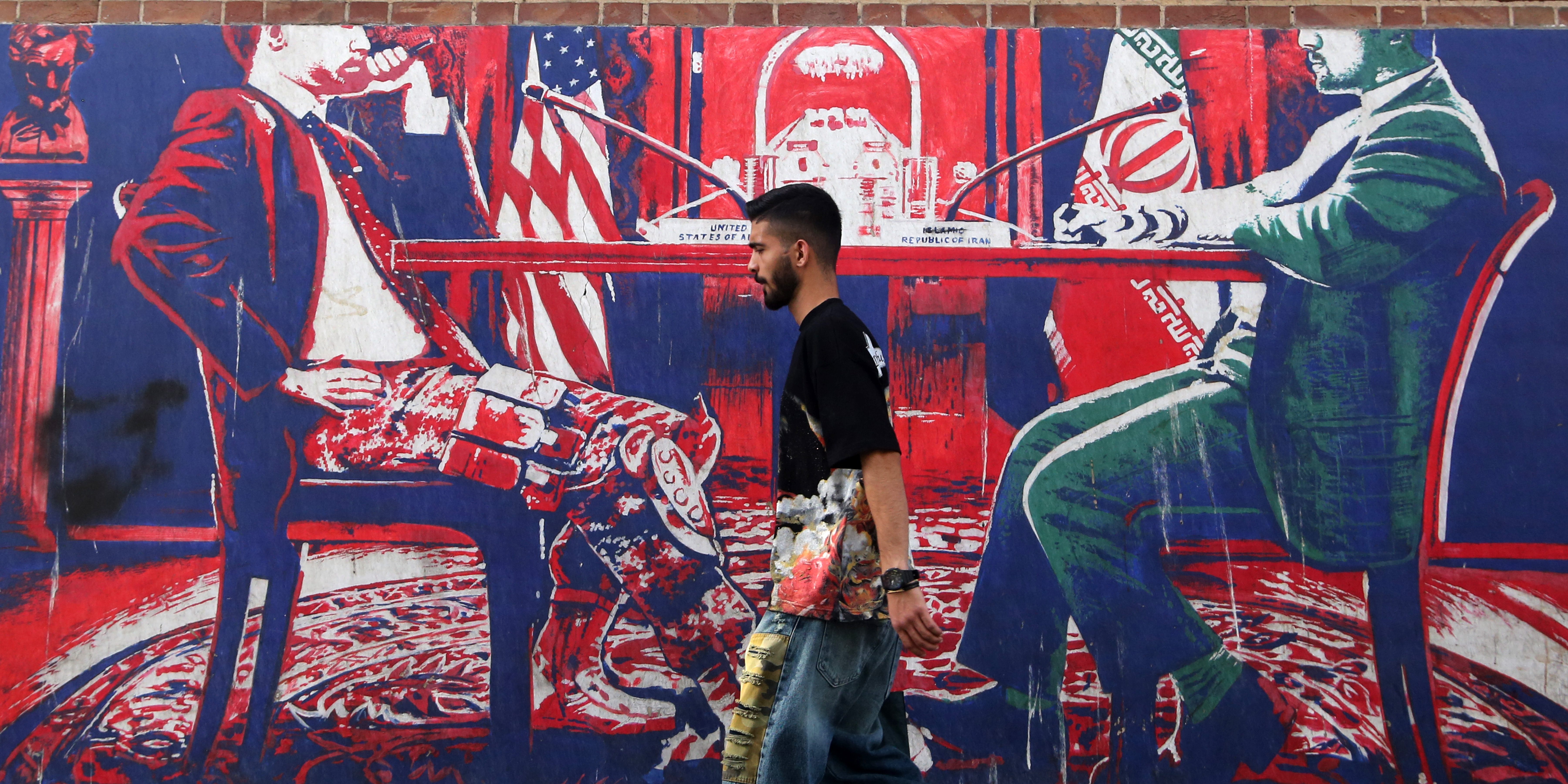
Summary
The White House has been desperate to find a way out of the quagmire of its own making in Iran, leading to the remote signing on June 15 of a memorandum of understanding that promises extraordinary concessions to the Islamic Republic. Stipulations once deemed a “ nightmare for Israel ” by American politicians and dismissed by President Donald Trump as “ not acceptable ” — such as total sanctions relief and the unfreezing of billions of dollars of funds held abroad — are now reality. Despite attempts by the Trump administration to spin this as an achievement of all of America’s goals and an “ unconditional surrender ” by Iran, the deal has been met with skepticism, derision, anger, and mockery by Democrats and even some Republicans, pushing close Trump allies such as Fox News host Mark Levin and Texas Sen. Ted Cruz to admonish the president for doing the “ unthinkable ” by capitulating to Iran. In Israel, the deal has been seen far more uniformly across the political spectrum as an immense and almost incomprehensible betrayal by the United States, an unforeseen cruelty by Trump, and an incalculable failure by Prime Minister Benjamin Netanyahu. Only 11 percent of Israelis say that their country won the war against Iran, and a whopping 71 percent do not expect Trump to look out for Israeli interests in future negotiations. One Likud member of the Knesset expressed his frustration by filming himself taking off his “Make America Great Again” hat and instead putting on a “ Total Victory ” hat, a phrase invoked by Netanyahu to justify the wholesale destruction of the Gaza Strip. After Araghchi gave an interview on state TV on June 12 saying that Iran would have to make concessions in its dealings, angry demonstrators who were attending nightly state-sponsored rallies demanded the diplomatic corps remember the “blood of the Leader [Khamenei],” with one speaker in Tehran’s Enghelab Square leading marchers in chants of “Death to the compromiser,” against those who think “America has something to offer [Iran].” In Parliament, conservatives affiliated or allied with the Front have made their criticism vocal, with members calling for Araghchi to be barred from contacting Trump administration negotiator Steve Witkoff and demanding Parliament see the deal before it is signed. In a statement announcing his approval of the deal, Mojtaba raised the eyebrows of some analysts by saying that he “ had a different view ” than what was agreed to by his negotiators, but nevertheless acceded to the wishes of President Masoud Pezeshkian on the condition that Iran rejects “excessive demands” made by the United States, remarking that the nation “await[s] the realization of the aforementioned conditions.” This kind of public and immediate skepticism of a deal agreed to by the elected government was not the type of messaging made by Mojtaba’s father, Ali Khamenei, who reserved public criticism of the red lines crossed in JCPOA negotiations until the deal had been torn up years later by the Trump administration . By signing up, I agree to receive emails from The Intercept and to the Privacy Policy and Terms of Use .
From the source
A man passes a mural in Tehran on June 18, 2026, following the signing of a memorandum of understanding between the U.S. and Iran. Photo: Fatemeh Bahrami/Anadolu via Getty Images The White House has been desperate to find a way out of the quagmire of its own making in Iran, leading to the remote signing on June 15 of a memorandum of understanding that promises extraordinary concessions to the Islamic Republic. Stipulations once deemed a “ nightmare for Israel ” by American politicians and dismissed by President Donald Trump as “ not acceptable ” — such as total sanctions relief and the unfreezing of billions of dollars of funds held abroad — are now reality. Despite attempts by the Trump administration to spin this as an achievement of all of America’s goals and an “ unconditional surrender ” by Iran, the deal has been met with skepticism, derision, anger, and mockery by Democrats and even some Republicans, pushing close Trump allies such as Fox News host Mark Levin and Texas Sen. Ted
Read the full article
Published by The Intercept on theintercept.com