
The Erling Haaland boom: Norway’s ‘pop-up economy’ during the World Cup revealed in Visa data
Fortune – Tech
fortune.com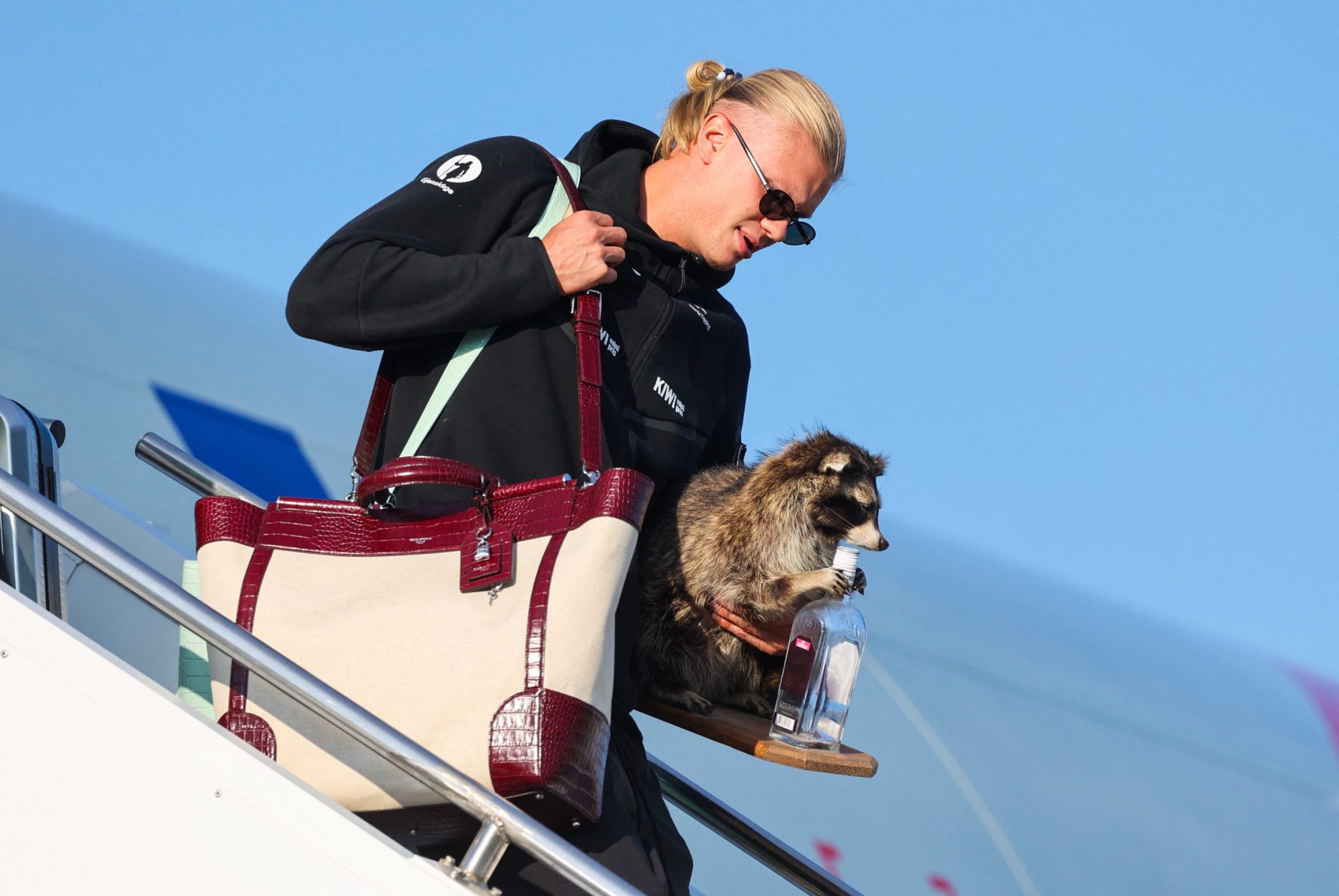
Summary
Erling Haaland may have been the biggest star to come out of this World Cup as fans all over the world became enamored with the big Norwegian striker as he raced for the Golden Boot and added to his 72 million-plus social media followers with adventures featuring Birkin Bags , Katz’s Deli , and a certain taxidermied raccoon . But he also drove what Visa called a “pop-up economy.” The deepest World Cup run in Norwegian football history tracked closely with the Manchester City striker’s own path through the tournament, and it turns out the spending followed him off the field as much as it followed the team on it. The credit card provider disclosed to Fortune that transaction volumes inside Norway nearly doubled during the team’s matches, and by the later rounds, spending activity rose in more than 60 countries whenever Norway played. Visa measured the effect by comparing transaction volume in a 12-hour window around kickoff against a typical day in the same country before the tournament began. “This was one of the most impactful FIFA World Cup tournaments we’ve seen to date both on and off the pitch,” said Frank Cooper III, Visa’s chief marketing officer. He added that Visa was able to see “those economies emerge, move from city to city and connect millions of fans with the merchants and communities hosting the world’s biggest sporting event.” Like Erling Haaland’s magical mystery tour across the U.S. After Norway beat Brazil in the round of 16, Haaland and several teammates stopped at Wild Bill’s Western Store, a 40-year-old western wear shop in Dallas, where he bought hats, boots and a belt buckle. Dallas was also one of the host cities where Visa recorded some of the tournament’s sharpest spending spikes tied to specific matches. Visa’s data covers the full scope of the World Cup, a 39-day tournament with 104 matches, 48 teams and 16 host cities across the U.S., Canada and Mexico, drawing nearly 7 million spectators, and which FIFA President Gianni Infantino promised would deliver economic boons. Cross-border Visa transactions in host cities rose nearly 20% year-over-year, and tap-to-pay transactions climbed almost 12%. Fans from Colombia, Puerto Rico, the United Kingdom, Argentina and Brazil generated the highest cross-border spending.
From the source
Erling Haaland may have been the biggest star to come out of this World Cup as fans all over the world became enamored with the big Norwegian striker as he raced for the Golden Boot and added to his 72 million-plus social media followers with adventures featuring Birkin Bags , Katz’s Deli , and a certain taxidermied raccoon . But he also drove what Visa called a “pop-up economy.” The deepest World Cup run in Norwegian football history tracked closely with the Manchester City striker’s own path through the tournament, and it turns out the spending followed him off the field as much as it followed the team on it. The credit card provider disclosed to Fortune that transaction volumes inside Norway nearly doubled during the team’s matches, and by the later rounds, spending activity rose in more than 60 countries whenever Norway played. Visa measured the effect by comparing transaction volume in a 12-hour window around kickoff against a typical day in the same country before the tournament
Read the full article
Published by Fortune – Tech on fortune.com
