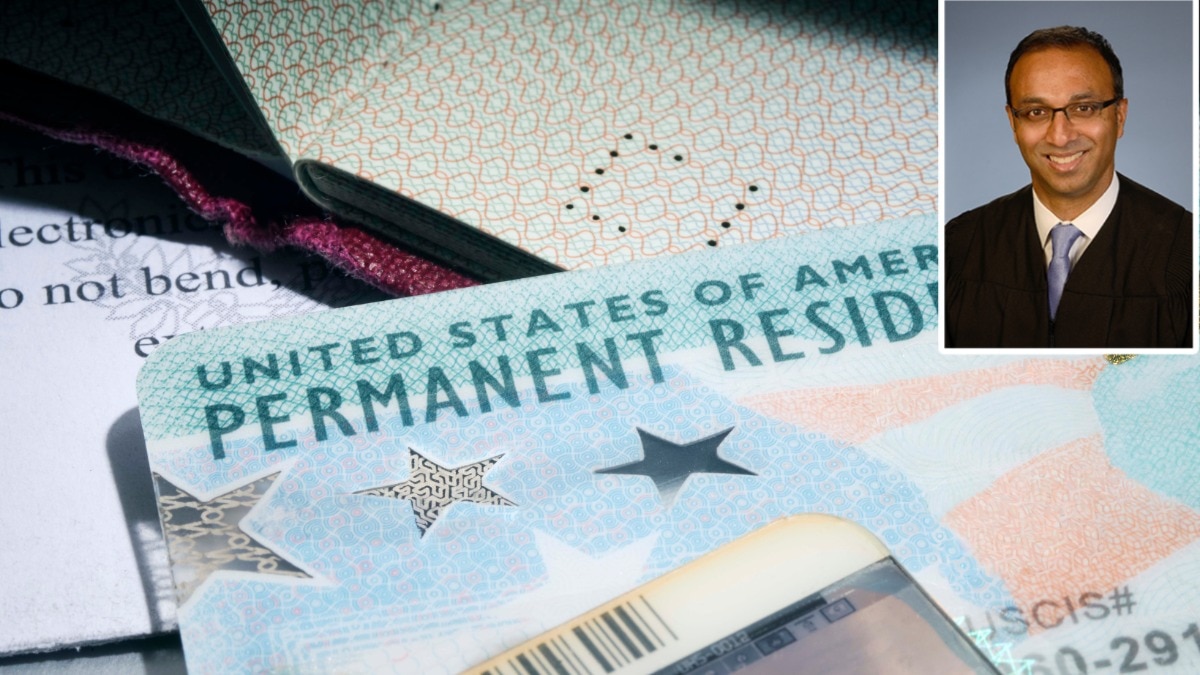
Adding a Spouse or Child to a Principal Applicant’s Green Card Process
Murthy Law Firm
murthy.comSummary
When an individual applies for lawful permanent resident (LPR) status (commonly, a green card) in the United States, certain family members also may qualify for LPR status as derivative beneficiaries. Both employment-based and family-preference category green card processes allow for derivative beneficiaries to be included in the principal applicant’s process. For example, if an LPR files a petition for a spouse in the second-preference family-based category, then the spouse’s eligible child can be included as a derivative on the parent’s petition. For employment-based green card cases, it is a common misconception that a spouse or child must be included in the principal’s green card process during the PERM (labor certification for green card) labor certification or Form I-140 (green card petition) immigrant petition stage. In truth, for both employment-based and family-preference category green card processes, a spouse or child can be included as a derivative beneficiary if the qualifying family relationship existed before the principal applicant obtains permanent residence. Where a derivative beneficiary can be added to a principal’s green card process, the derivative can choose whether to “accompany” and apply for a green card or immigrant visa at the same time as or within six months of the principal applicant, or to “follow-to-join” and immigrate at a later date than the principal applicant. It is important to keep in mind that even where a child is initially included as a derivative beneficiary in a parent’s green card process, the child may be at risk of aging out of the parent’s petition, unless the child is protected by the Child Status Protection Act (CSPA), as explained in the MurthyDotCom NewsBrief, Child Status Protection Act Basics, Part 1 and Part 2 . Understanding when a spouse or child can be included in a principal applicant’s green card process is essential to ensure that a family can immigrate to the U.S. as a single unit. Given the complexity of these requirements, individuals are strongly encouraged to schedule a consultation with an experienced immigration attorney to navigate the process effectively. While some aspects of immigration have changed significantly in the years since MurthyDotCom began publishing articles in 1994, much remains relevant.
From the source
When an individual applies for lawful permanent resident (LPR) status (commonly, a green card) in the United States, certain family members also may qualify for LPR status as derivative beneficiaries. Such family members typically include the principal applicant’s spouse and any unmarried children under the age of 21. However, eligibility for derivative status depends not only on the qualifying family relationship but also on the timing of when that relationship was legally established in relation to the principal applicant’s green card process. Green Card Processes that Allow for Derivatives Both employment-based and family-preference category green card processes allow for derivative beneficiaries to be included in the principal applicant’s process. However, the immediate relative category, such as where a U.S. citizen petitions for a parent or spouse, does not allow for the inclusion of derivative beneficiaries and each dependent family member must be individually petitioned for. Fo
Read the full article
Published by Murthy Law Firm on murthy.com