OpenAI’s hiring of former Army Secretary just 2 months after Pentagon resignation is part of a ‘trend’ of it pivoting resources to defense projects
Fortune – Tech
fortune.com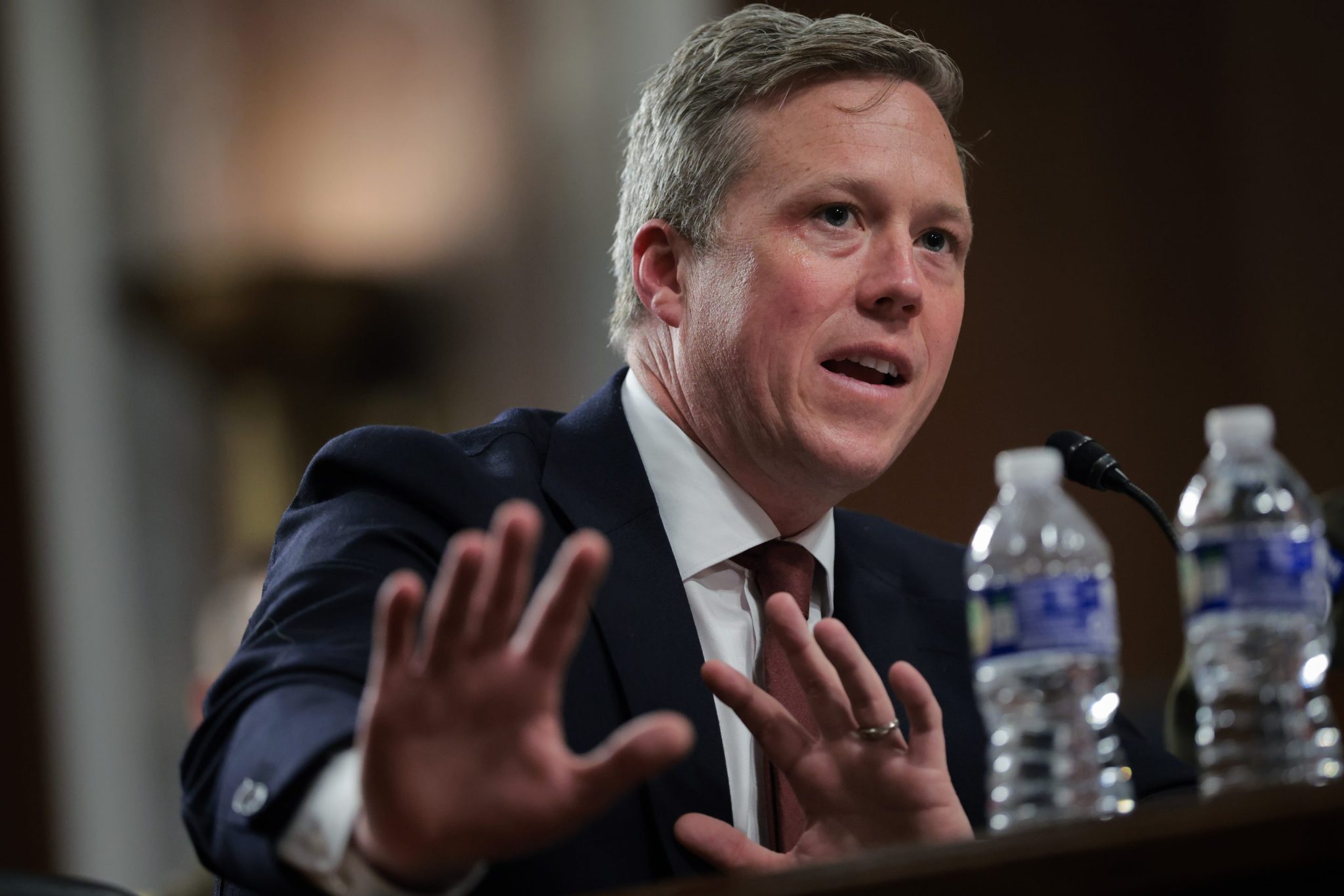
Summary
OpenAI’s hiring of a recently departed Pentagon official points to the frontier lab’s growing interests in defense and expanding roster of former military officials in its ranks. OpenAI has hired former U.S. Army Secretary Dan Driscoll to the bespoke role of senior counselor for national security modernization, the company announced on Monday. The new job comes two months after Driscoll left the Trump administration after reportedly clashing with Defense Secretary Pete Hegseth. In the role, Driscoll will advise OpenAI’s public and private sector partners on how to modernize policy and strategy in support of improving national security with AI, according to OpenAI. Gwanhoo Lee, the chair of the Department of Information Technology and Analytics at American University’s Kogod School of Business, said that by tapping Driscoll, OpenAI is continuing in its strategy of pouring resources into the defense sector, where it sees high demand for AI systems to bolster national security. “This hire is a continuation of their trend to see the opportunity in hiring significant government officials to strengthen their relationship with the government and strengthen their business in dealing with the government agencies,” Lee told Fortune . He also made a secret trip to the Middle East to meet with Russian officials. “The U.S. has an extraordinary opportunity to work with other countries to spread the adoption of democratic AI” following Driscoll’s hire, Altman said in a statement in the press release. “This technology will help them keep pace by cutting through paperwork, making sense of more information, and getting the right answer to the right person faster,” Driscoll said. “I’m joining OpenAI to help the United States and our allies put this technology to work responsibly, for the people who keep us safe.” The former Army secretary stepped down from his role in the Pentagon in September after just 18 months on the job following widely reported tensions between him and Hegseth—particularly disagreements over promotions and the scale of the Pentagon’s modernization efforts . As countries depend more on AI systems for both defense of national security and forms of offensive cyberattacks, investing in both the most effective and cost-effective technologies have become crucial for maintaining national safety and infrastructure, Lee explained, but priorities for securing private sector contracts can become muddied if deals are based too closely on preexisting social ties. “If that procurement is based upon relationships rather than merits and strengths of technology, that puts us at risk,” he added. “As AI companies take on national security risks, we need clearer rules on oversight and conflict interest, so I think there is some governance concern.” OpenAI said all parties are aware of post-employment restrictions and will comply. While OpenAI’s work with Driscoll will extend beyond its relationship with the Department of Defense, OpenAI’s previous deals with the Pentagon have raised concerns about safety and privacy from tech policy experts. Experts warned the deal left space for legal loopholes—like whether large-scale analysis of Americans’ data, which is legal, is different from mass surveillance. “Right now, under U.S. law, it’s lawful for government authorities to buy up commercially available information from data brokers and other third parties,” Samir Jain, vice president of policy at the Center for Democracy & Technology, told Fortune earlier this year. “If you buy up massive amounts of data and allow AI to analyze it, you may end up, in effect, engaging in mass surveillance of Americans through that process.
From the source
OpenAI’s hiring of a recently departed Pentagon official points to the frontier lab’s growing interests in defense and expanding roster of former military officials in its ranks. OpenAI has hired former U.S. Army Secretary Dan Driscoll to the bespoke role of senior counselor for national security modernization, the company announced on Monday. The new job comes two months after Driscoll left the Trump administration after reportedly clashing with Defense Secretary Pete Hegseth. In the role, Driscoll will advise OpenAI’s public and private sector partners on how to modernize policy and strategy in support of improving national security with AI, according to OpenAI. The focus of his work will be on how AI can be used responsibly to improve security among the U.S. and its allies. Gwanhoo Lee, the chair of the Department of Information Technology and Analytics at American University’s Kogod School of Business, said that by tapping Driscoll, OpenAI is continuing in its strategy of pouring r
Read the full article
Published by Fortune – Tech on fortune.com