After the midterms, Big Tech’s AI data center problem is only getting bigger
Fortune – Tech
fortune.com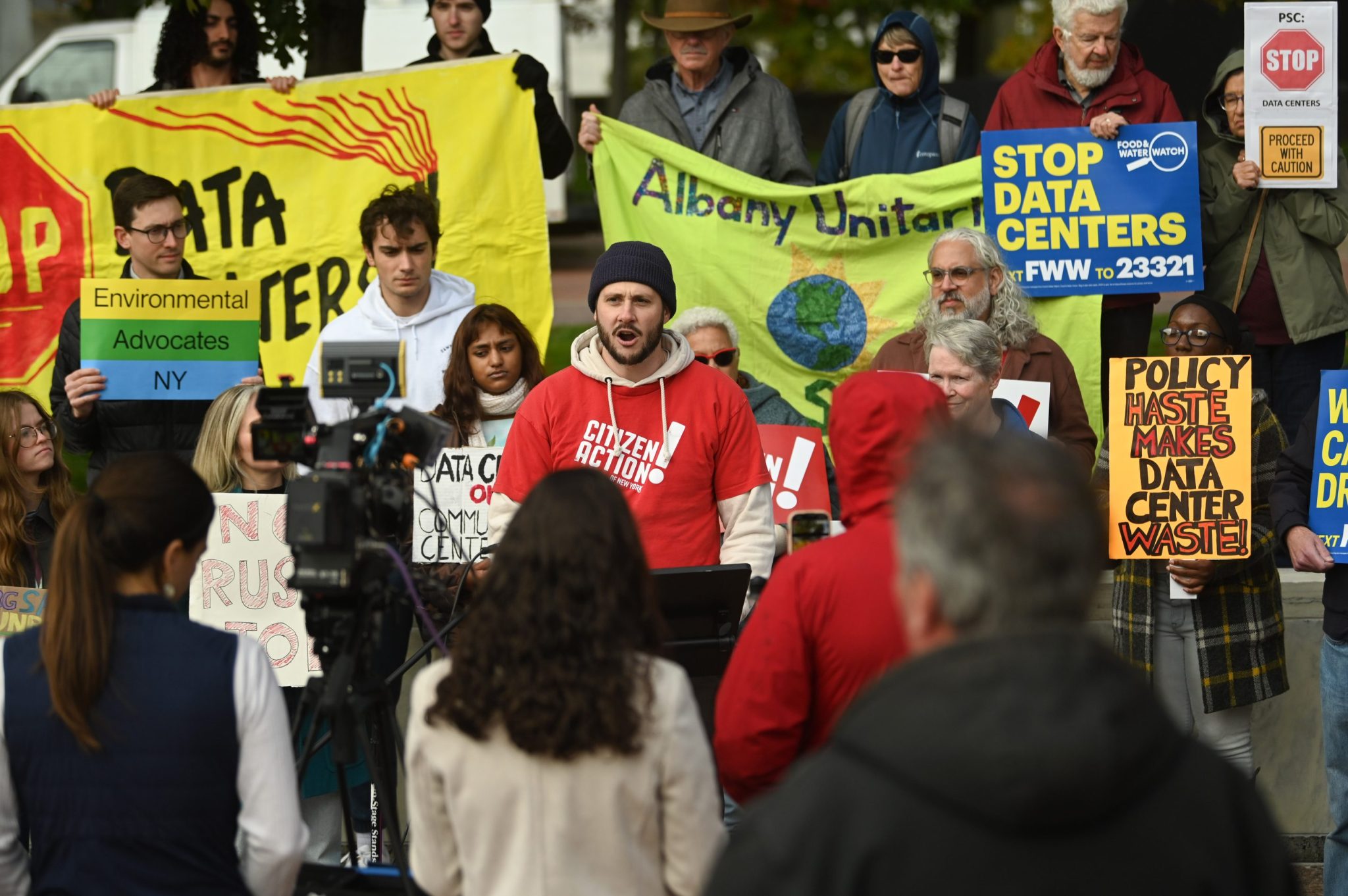
Summary
After ChatGPT launched in late 2022, tech companies raced to open data centers at unprecedented rates, pouring billions of dollars into AI hubs in states like Texas and Ohio. Amazon , Microsoft , Oracle , and others did so even as polling showed the centers were highly unpopular among a large swath of the U.S. population. On Tuesday, the issue came to a decisive tipping point. U.S. voters delivered an overwhelming victory for Democratic candidates throughout the country that will upend the halls of power in Washington and data center hotbeds like Texas. While tech companies have established years-long plans to keep opening the centers, and are regularly plugging more online, they will be met with new state and national political leaders whose mandate is to slow down the unpopular facilities. They also now face a wave of voter rejection on numerous projects across the U.S. Voters sided against data center development in all but one of 38 local ballot contests with complete counts tracked by Redbud Consulting, a Washington, D.C., polling and data science firm, according to preliminary results. That includes Piqua, a 20,000-person city in west central Ohio, where Meta is planning to spend $1 billion to construct a data center with a capacity of up to 1.4 gigawatts. Elon Musk, whose SpaceX expects $35 billion to $40 billion in capital expenditures in the quarter ending in December, wrote on X Tuesday night that “Data centers in space looking pretty appealing right now.” Musk spent more than $200 million supporting Republican Senate candidate Ken Paxton, who lost. Many analysts and tech industry experts agree on one thing: Even with restrictions, AI centers are here to stay, especially as hyperscalers say they need more computing capacity online, not less.
From the source
After ChatGPT launched in late 2022, tech companies raced to open data centers at unprecedented rates, pouring billions of dollars into AI hubs in states like Texas and Ohio. Amazon , Microsoft , Oracle , and others did so even as polling showed the centers were highly unpopular among a large swath of the U.S. population. On Tuesday, the issue came to a decisive tipping point. U.S. voters delivered an overwhelming victory for Democratic candidates throughout the country that will upend the halls of power in Washington and data center hotbeds like Texas. While tech companies have established years-long plans to keep opening the centers, and are regularly plugging more online, they will be met with new state and national political leaders whose mandate is to slow down the unpopular facilities. They also now face a wave of voter rejection on numerous projects across the U.S. Voters sided against data center development in all but one of 38 local ballot contests with complete counts tracke
Read the full article
Published by Fortune – Tech on fortune.com
