Layoffs & Tech Jobs5h ago
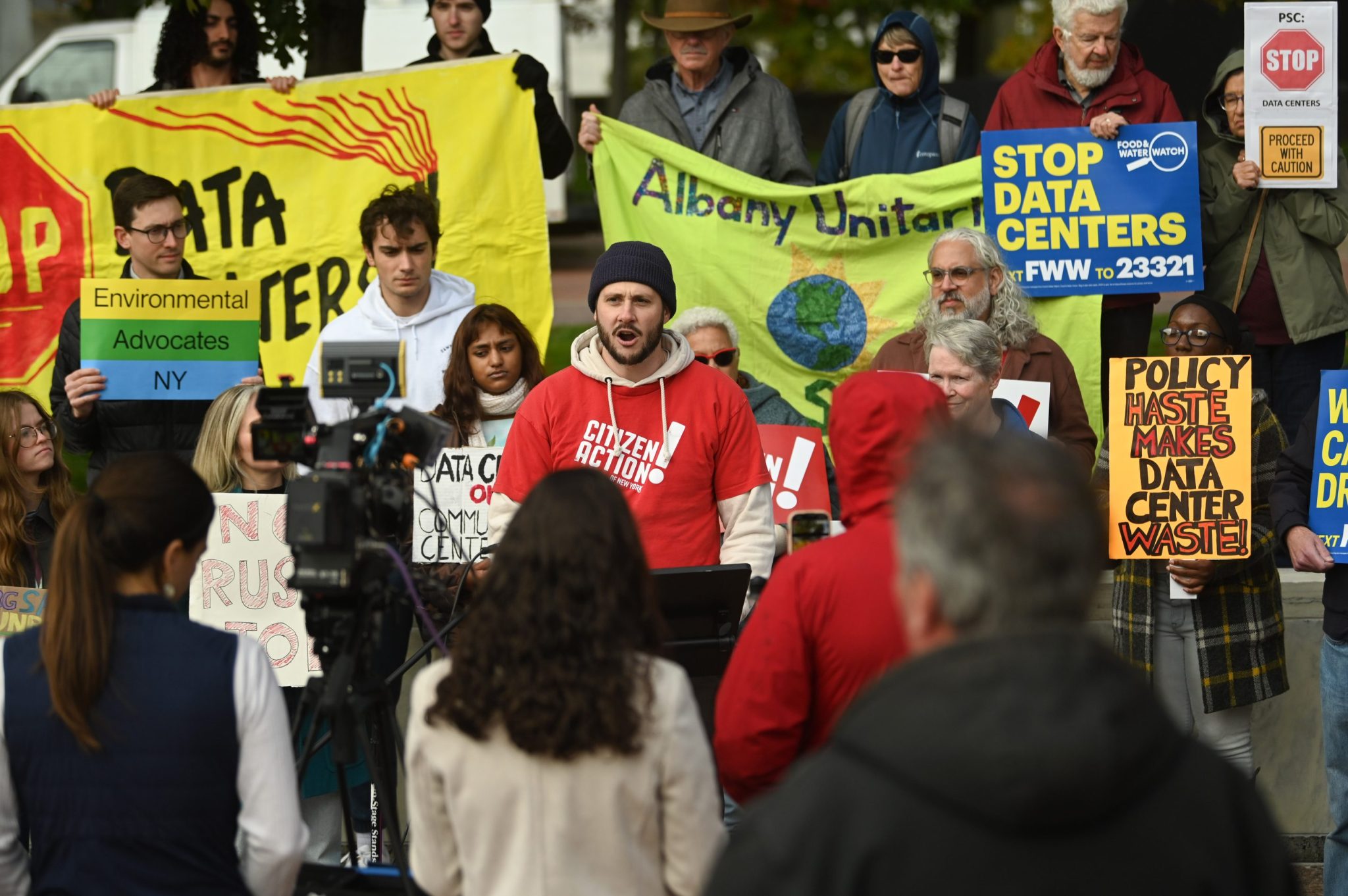
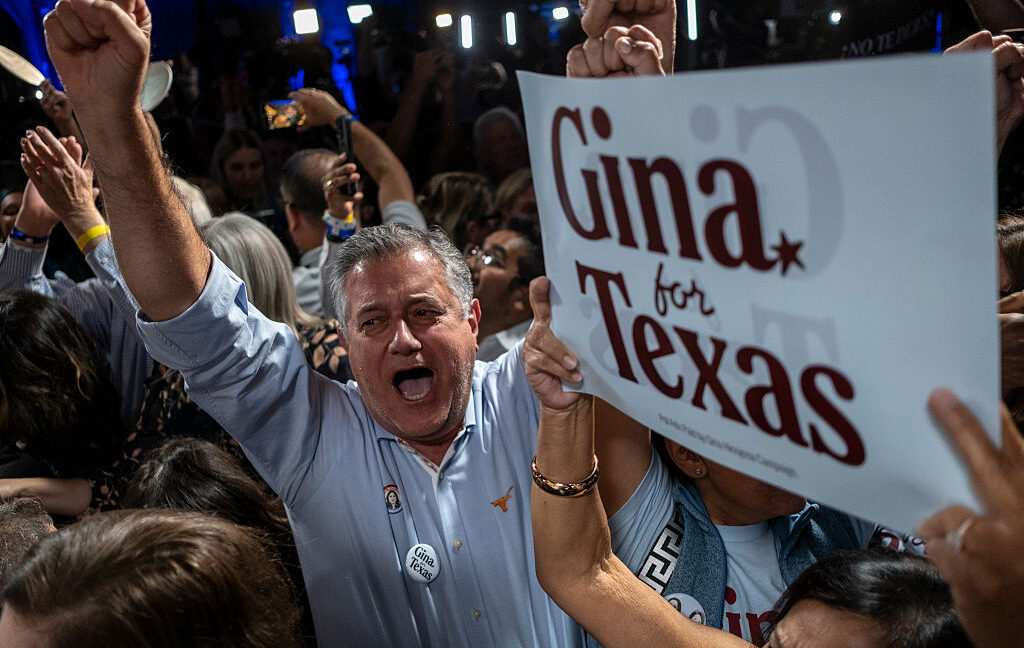
Donald Trump’s big, rapid American AI buildout now faces a major slowdown as voters in yesterday’s elections overwhelmingly supported candidates and measures that favored increasing restrictions on AI and data centers nationwide. One resource from a polling firm, called Redbud Consulting, tracked data center initiatives on the ballot and reported that out of 44 measures across 10 states seeking to restrict data centers, 38 passed so far. Those measures included dozens of moratoriums and bans. Analysts suggested those won’t impact data centers already under construction or approved through 2027, instead largely impacting future projects planned for 2028. Some projects may leave the state entirely, perhaps moving to Louisiana or Georgia—or perhaps going nowhere. “She would impose a moratorium until legislation is passed that gives communities a voice, protects household utility bills, and ends the tax incentives for data centers,” Johnson’s note said. “The question now is how long the pause lasts.” As PIMCO head of public policy Libby Cantrill similarly warned, “even if statewide moratoria do not result, we expect to see a lot more sand in the gears of the AI buildout regardless—with more time required to secure permits and other approvals, as well as more concessions that data center developers will have to make.” Texas wasn’t the only big shake-up. In a statement, Adam Kovacevich—a former Google executive and the CEO of a tech industry trade group and policy coalition called Chamber of Progress—suggested “the results offer little evidence of a voter mandate to crack down on AI or data centers.” He emphasized that “Democratic gubernatorial candidates who opposed data center bans won at a higher rate than those who supported them,” and admonished, “Let’s not confuse an anti-Trump wave with an anti-tech mandate.” “Voters wanted change on the economy, not a crackdown on innovation,” Kovacevich said, while sharing a resource for those in the tech industry seeking an alternative spin on the results. Additionally, more than half of voters said that “AI and data centers were a crucial or major factor in their vote for Congress.” The mass backlash is not just about utility costs or other data center fears, Montoya-Boyer suggested, but instead stemmed from a call from voters to regulate AI. Other analysts told Axios that voters appeared to be “more concerned about efforts to block state AI regulation than they are about data center controversies,” with one noting that across four swing districts, “voters trust Democrats over Republicans to hold AI executives accountable by a margin of 7 to 10 points.” Brad Carson, co-founder of Americans for Responsible Innovation, told Axios that “voters just sent a clear message that they want rules for AI and data centers.” “What we just witnessed was an AI earthquake,” Carson said. However, a Democrat-controlled Congress will likely “introduce new constraints on US computing capacity,” and that could give China a leg up, Ng suggested. “This would keep [US] AI token prices high, giving China an opportunity to export cost-effective inference services, supported by abundant electricity supplies,” Ng said. Michael Strobaek, global chief investment officer at Swiss private bank Lombard Odier, noted that Trump still has the power to veto any federal laws that Congress may advance.